
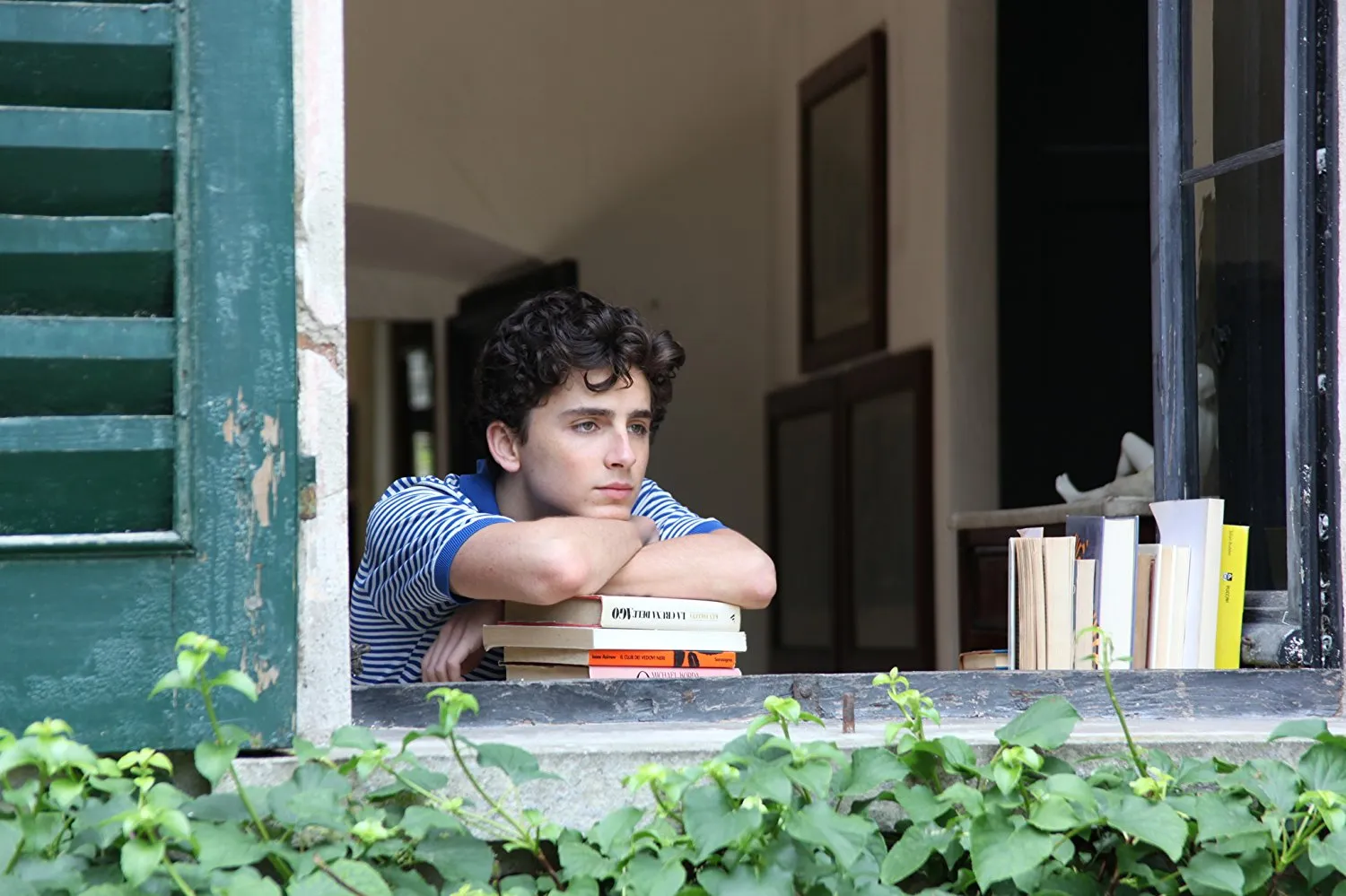
Some films feel like a distant memory you didn’t know you had. Luca Guadagnino’s Call Me by Your Name is exactly that—a sensory, shimmering experience that captures the bittersweet essence of a first great passion. Having revisited this story recently, I wanted to dive deeper into why this particular film remains a modern classic of the genre.
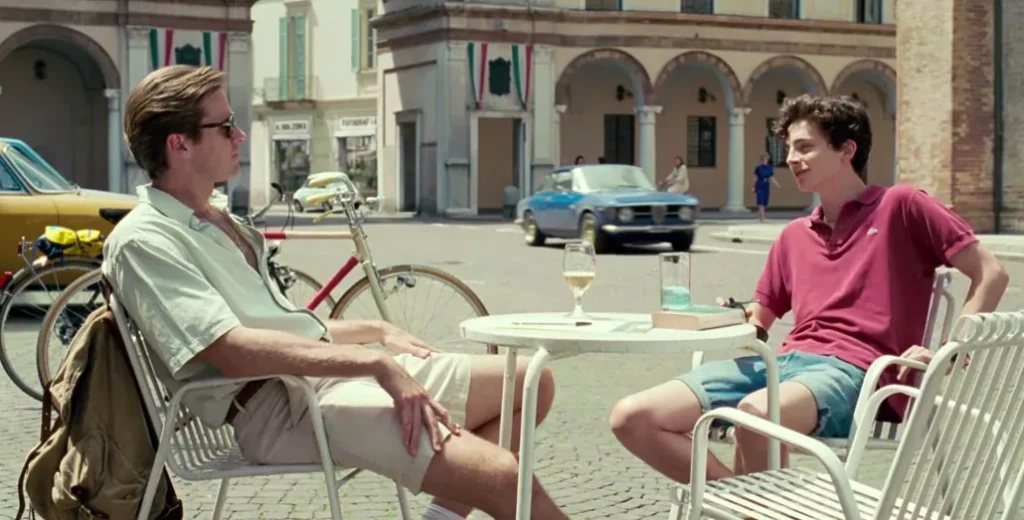
The Atmosphere of an Endless Italian Summer
From the very first frames, the film transports us to “somewhere in Northern Italy” during the summer of 1983. As a viewer, I felt the heat, the smell of ripening apricots, and the slow, languid pace of life in a 17th-century villa. Guadagnino doesn’t just show us a setting; he invites us to live in it. This isn’t just a backdrop—the environment itself acts as a catalyst for the blossoming intimacy between Elio and Oliver.
Elio and Oliver: The Architecture of Desire
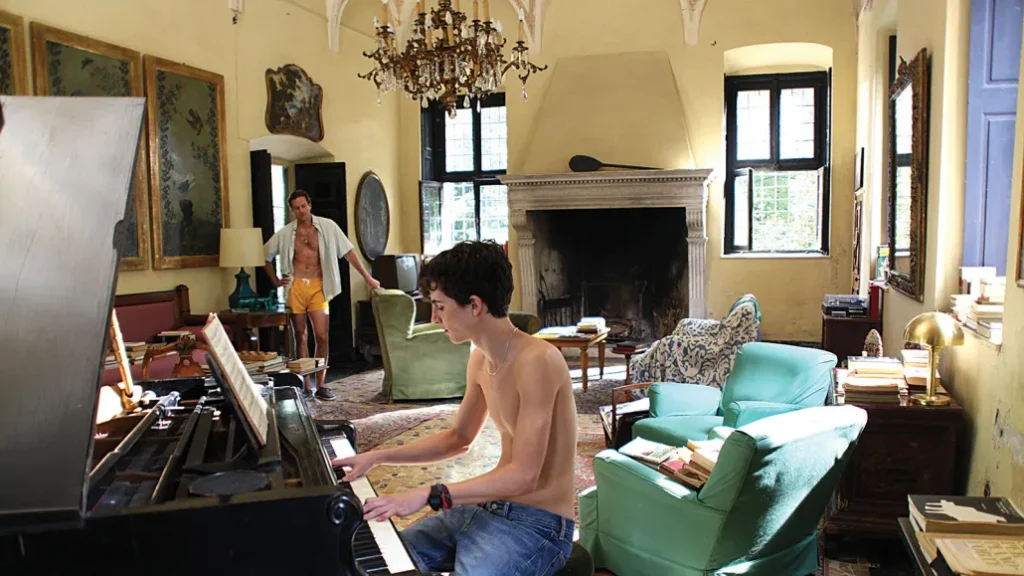
The heart of the movie lies in the complex relationship between 17-year-old Elio (Timothée Chalamet) and 24-year-old Oliver (Armie Hammer). What struck me most was the intellectual nature of their attraction. Elio is a musical prodigy, Oliver is a confident scholar; their bond is built on shared knowledge, piano transcriptions, and a sophisticated game of “cat and mouse.”
Chalamet’s performance is nothing short of legendary. I watched as he navigated the awkwardness, the jealousy, and eventually, the overwhelming vulnerability of falling in love for the first time.
The Power of Silence and Subtext
One of the reasons this film resonates so deeply with me is its restraint. It doesn’t rely on dramatic outbursts or clichés. Instead, the tension is found in what is not said—in lingering glances, feet touching under a table, or a shared cigarette. It’s a masterful exercise in subtext, where every small gesture feels like a monumental confession.
A Lesson in Empathy: The Father’s Monologue
I cannot talk about this film without mentioning the pivotal scene near the end—the conversation between Elio and his father (played brilliantly by Michael Stuhlbarg). It is, in my opinion, one of the most beautiful portrayals of parental love in cinema history. His words about not stifling one’s pain, but embracing it as a testament to the beauty of what was felt, provide a profound emotional catharsis that stays with you long after the credits roll.
More Than Just a Romance
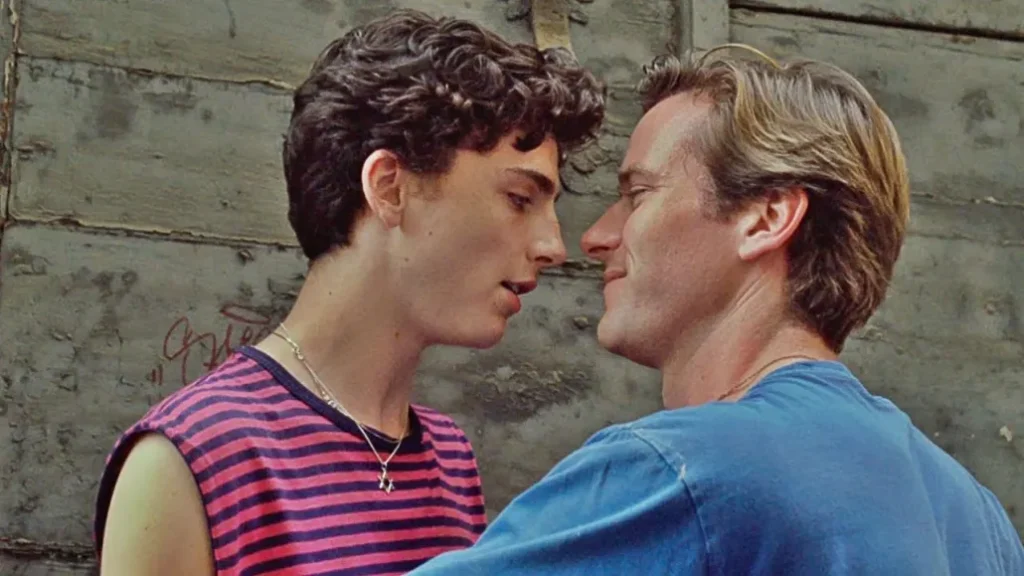
For me, Call Me by Your Name is more than a “coming-of-age” story or a “queer film.” It is a universal exploration of human vulnerability. It’s about the courage it takes to open yourself up to another person, knowing that it might lead to heartbreak.
______
The final shot—Elio staring into the fireplace while “Visions of Gideon” by Sufjan Stevens plays—perfectly encapsulates the feeling of a summer that changed everything. It’s a haunting, quiet ending to a film that is as vibrant and fleeting as youth itself.


Finally, a review that actually talks about the cinematography and structural choices rather than just rating it out of ten. I really appreciated the breakdown of the visual metaphors — it gave me a whole new perspective on the film. Great start for the journal!